


ZEITWORKS
Weekender - 1957 BMW 503
Weekender - 1957 BMW 503
Couldn't load pickup availability
From a 1957 503 — BMW lost money on every one. 413 built before Munich gave up. The car nearly took the company down a second time.
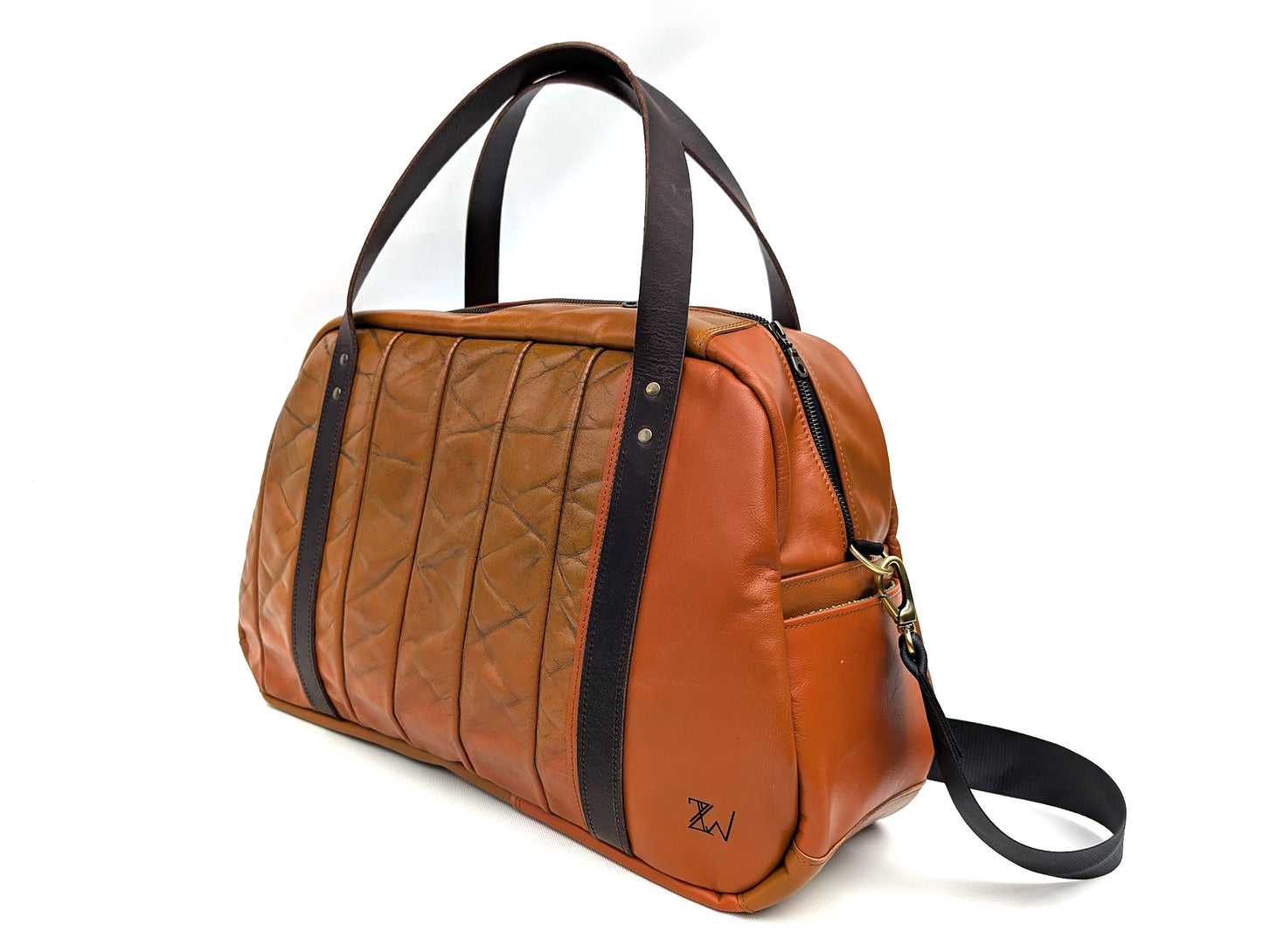
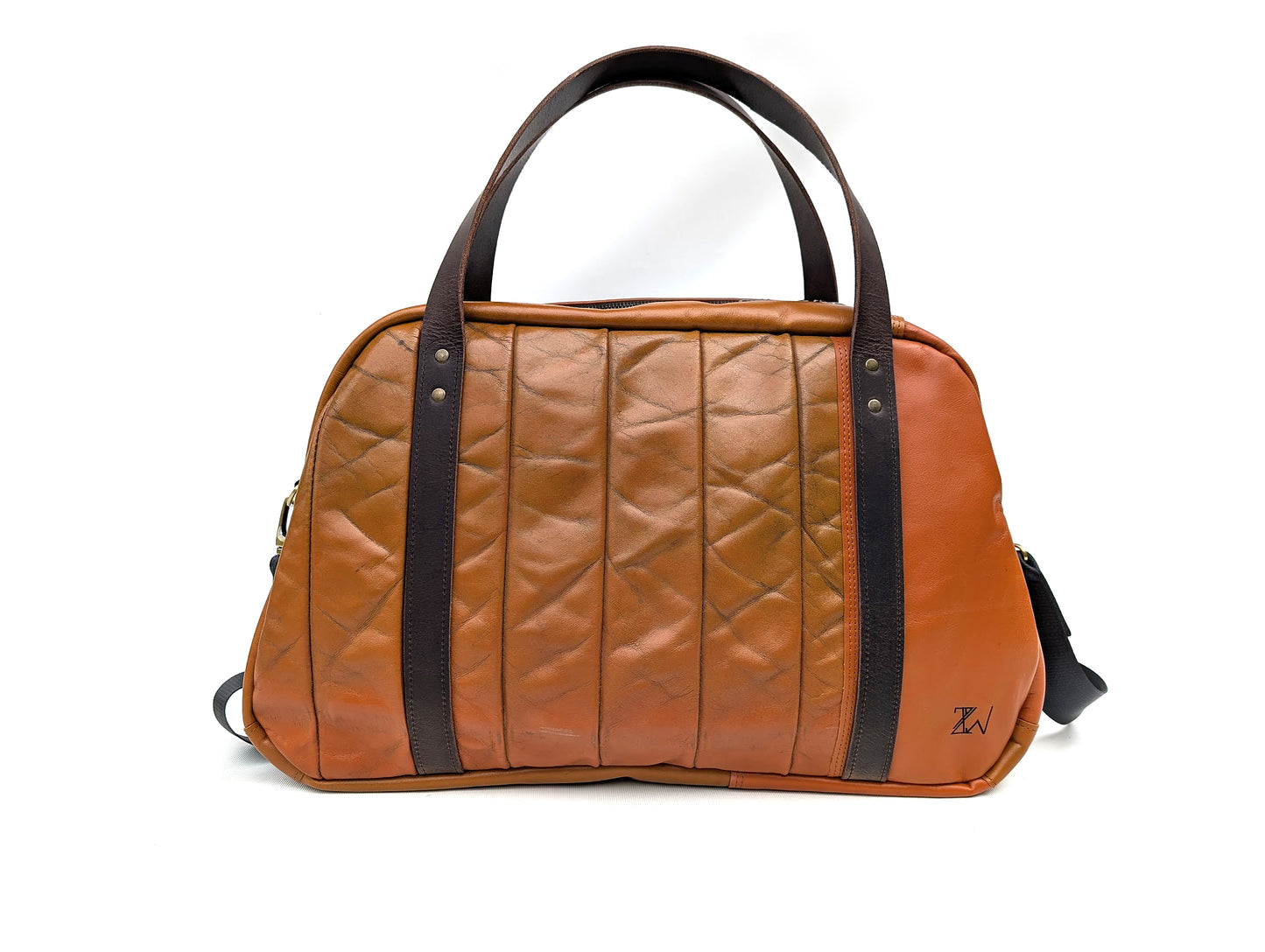
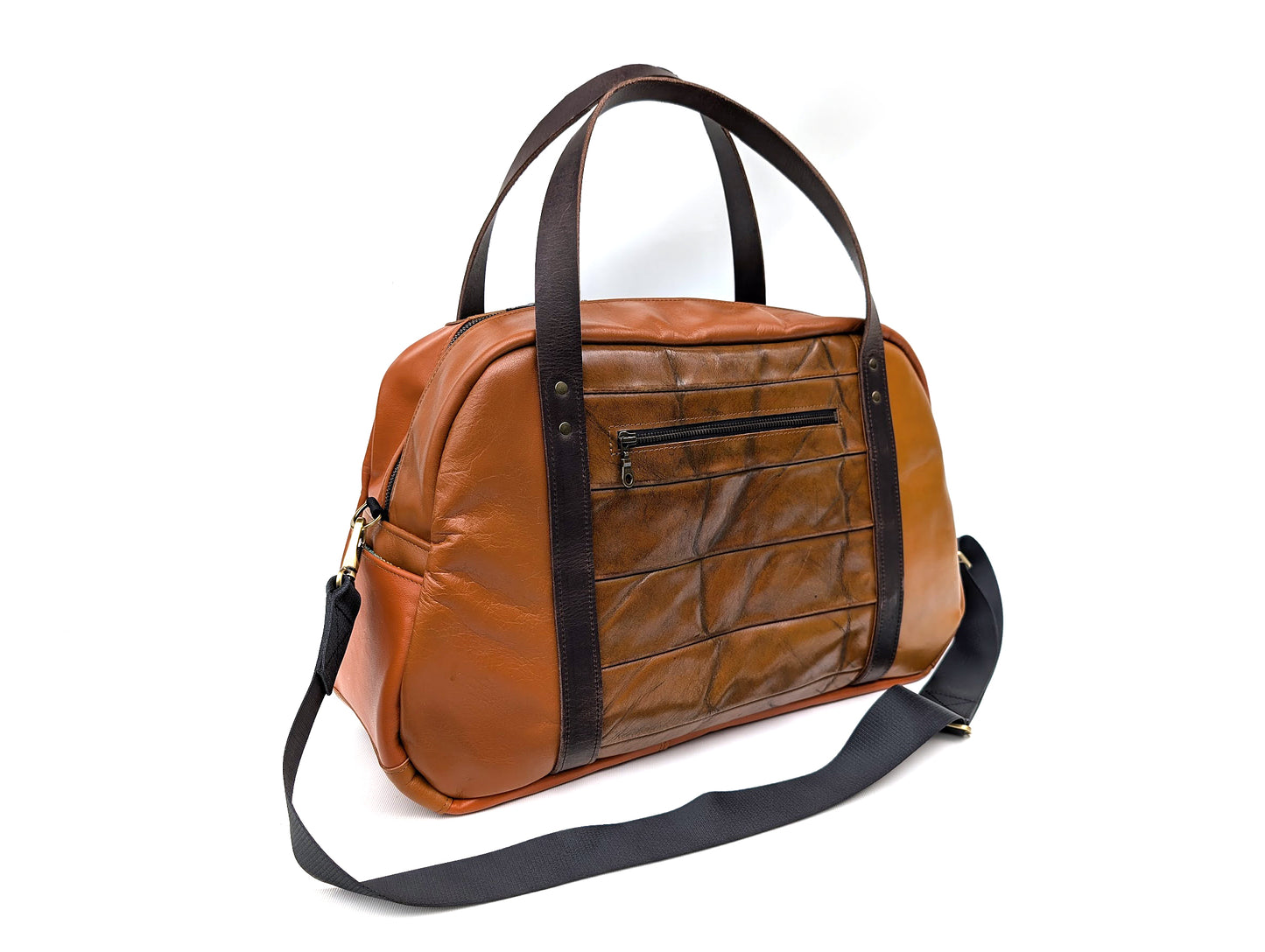
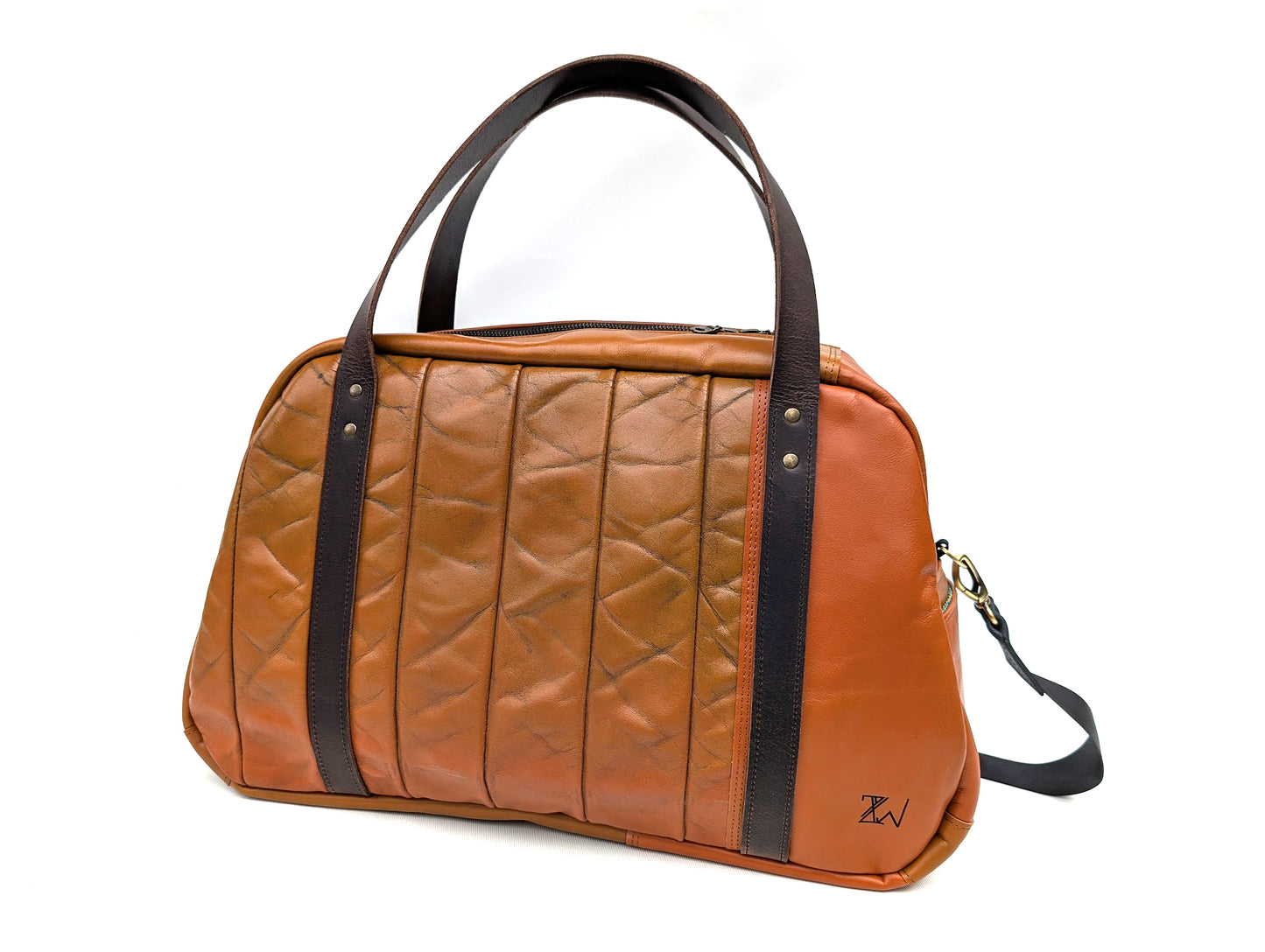
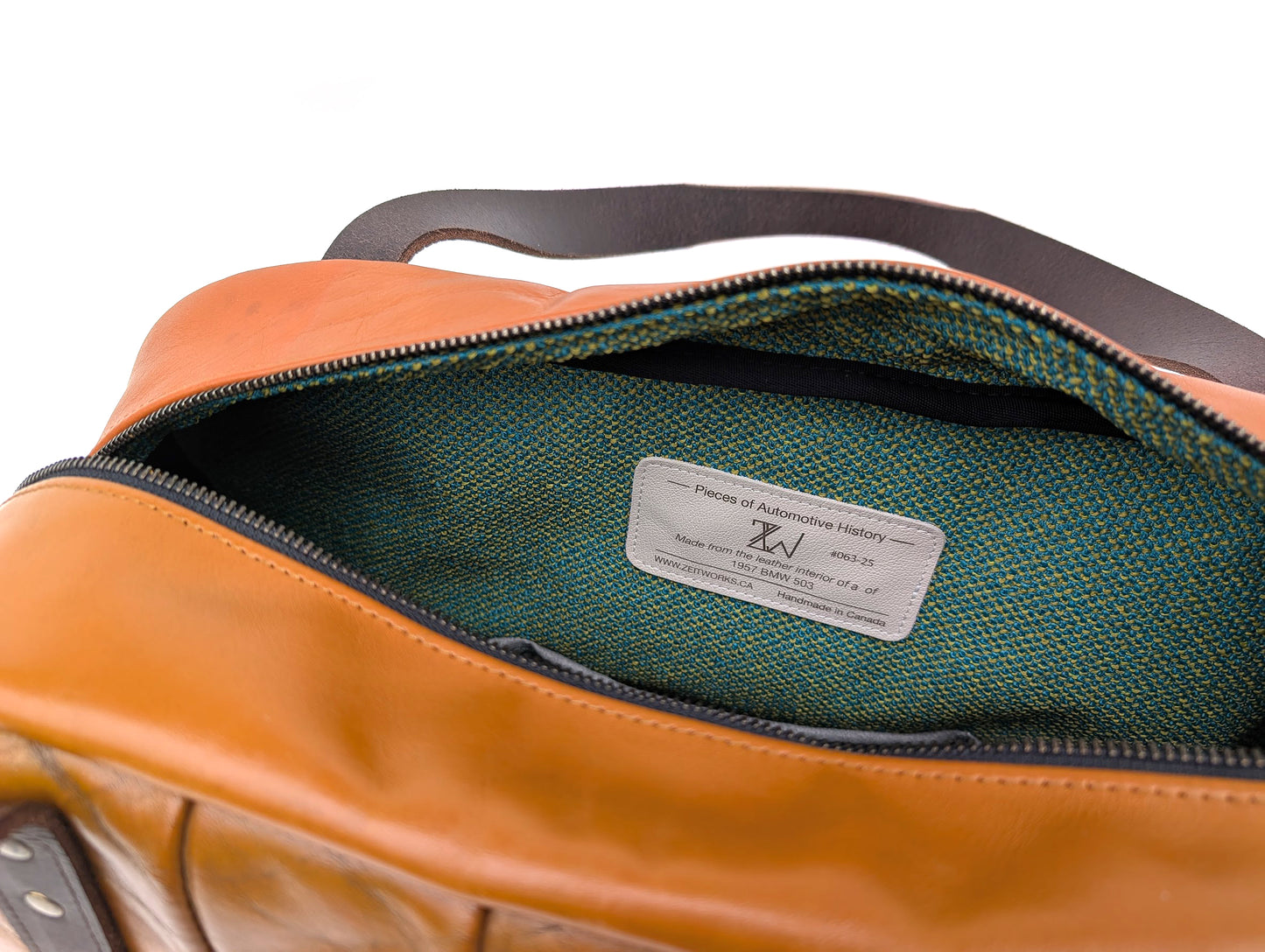
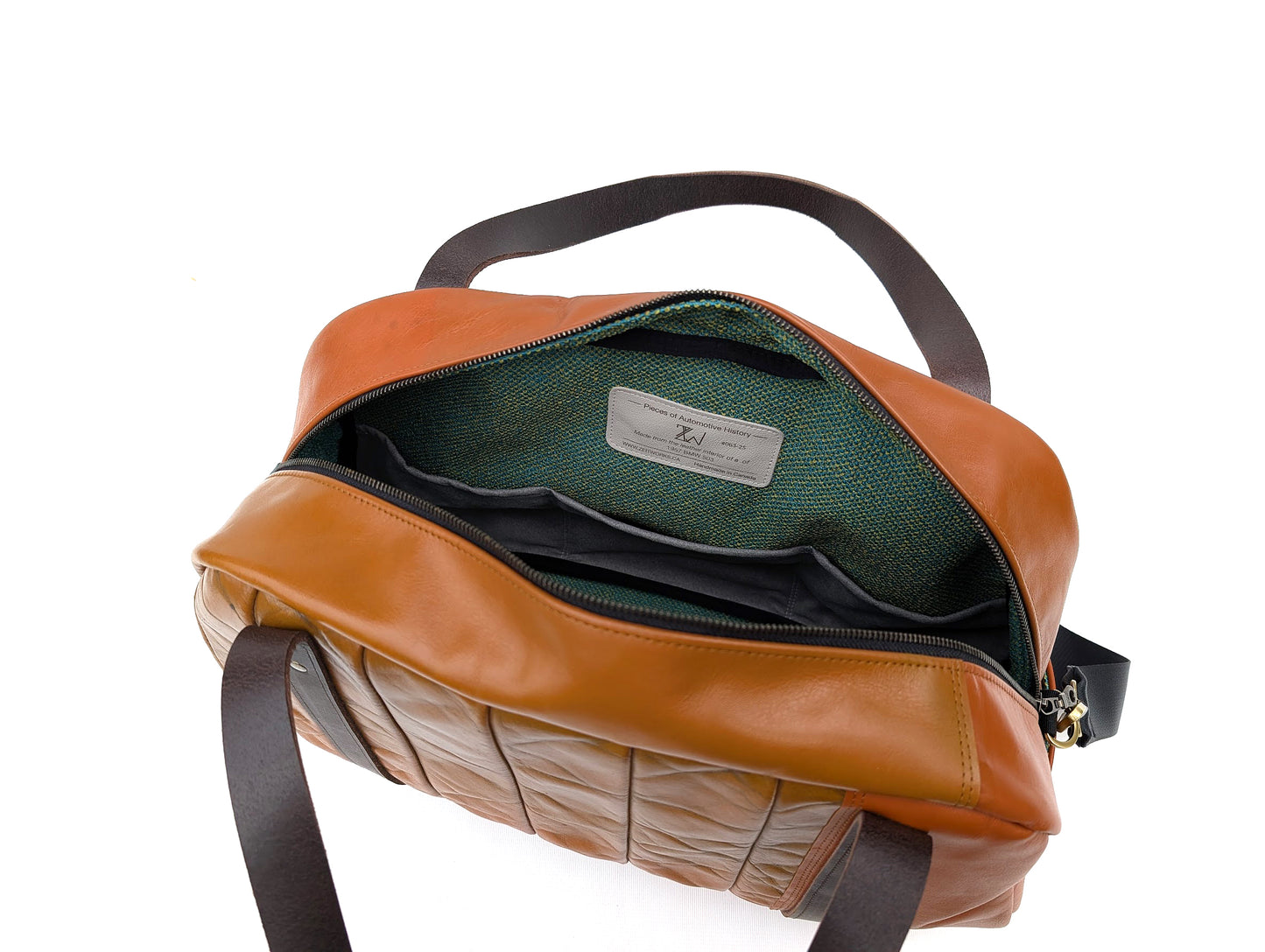
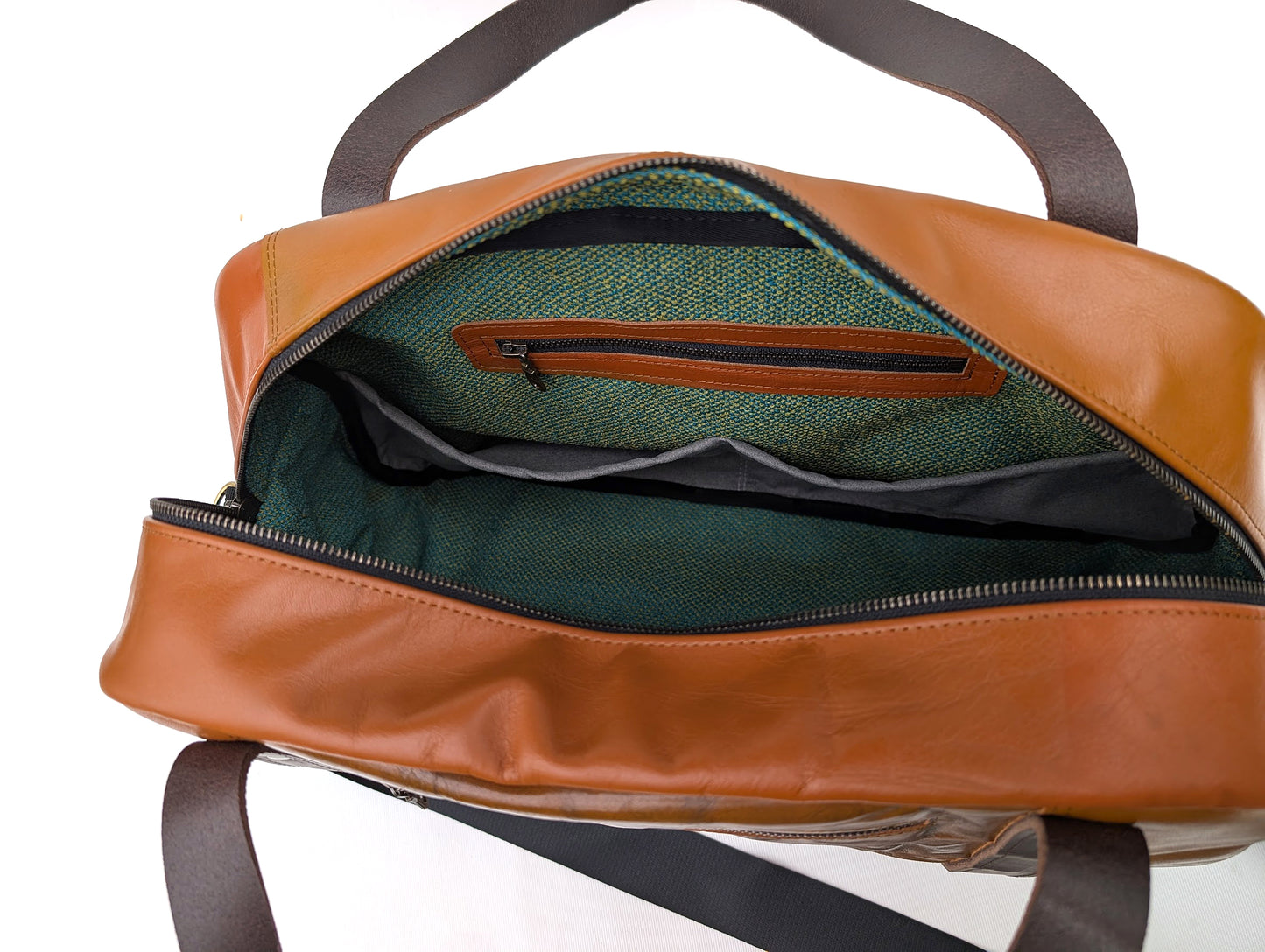
This is a unique Weekender /. Duffle bag made from the original interior of a 1957 BMW 503.
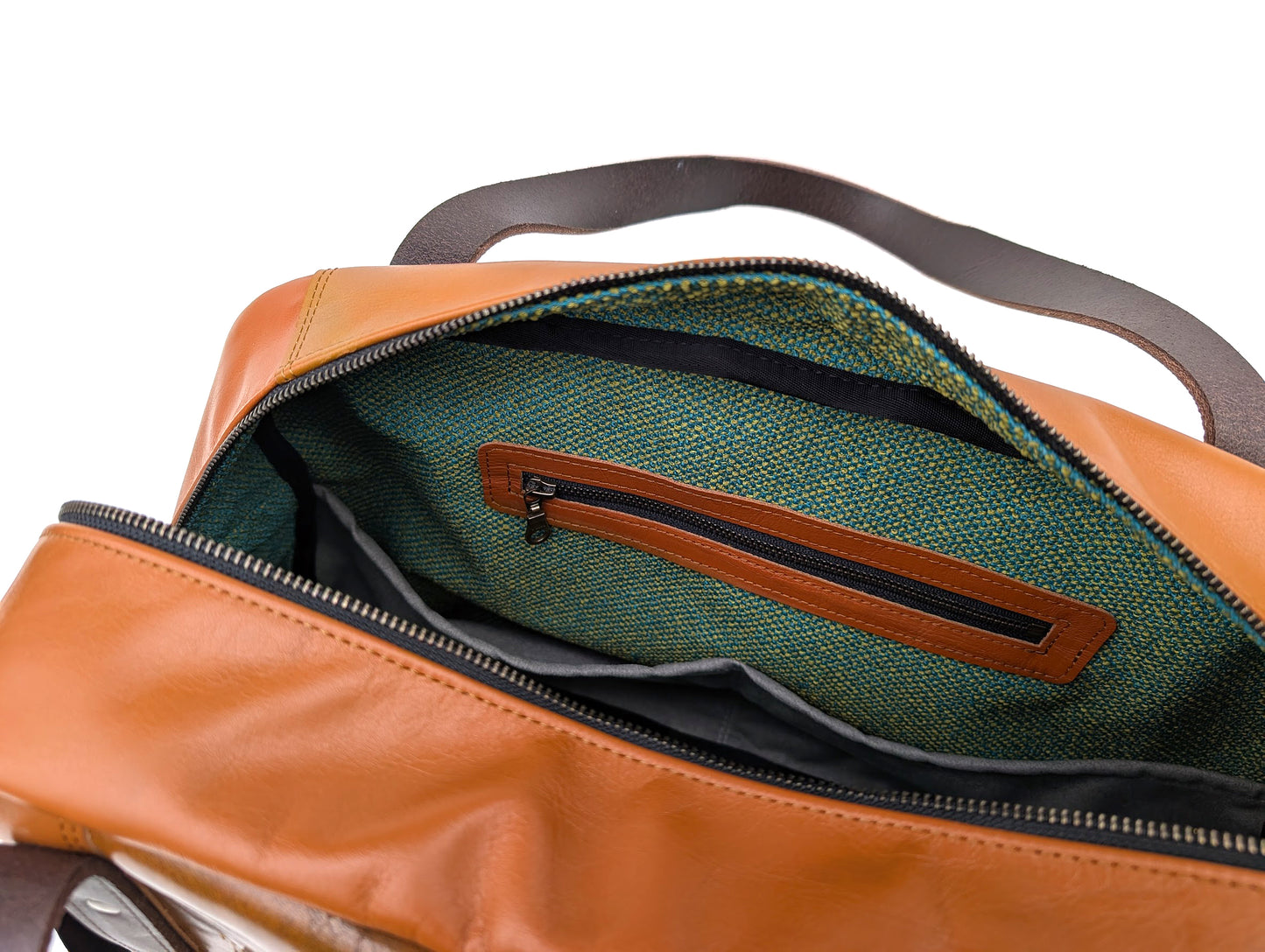
* Zippered interior pocket and multiple compartments
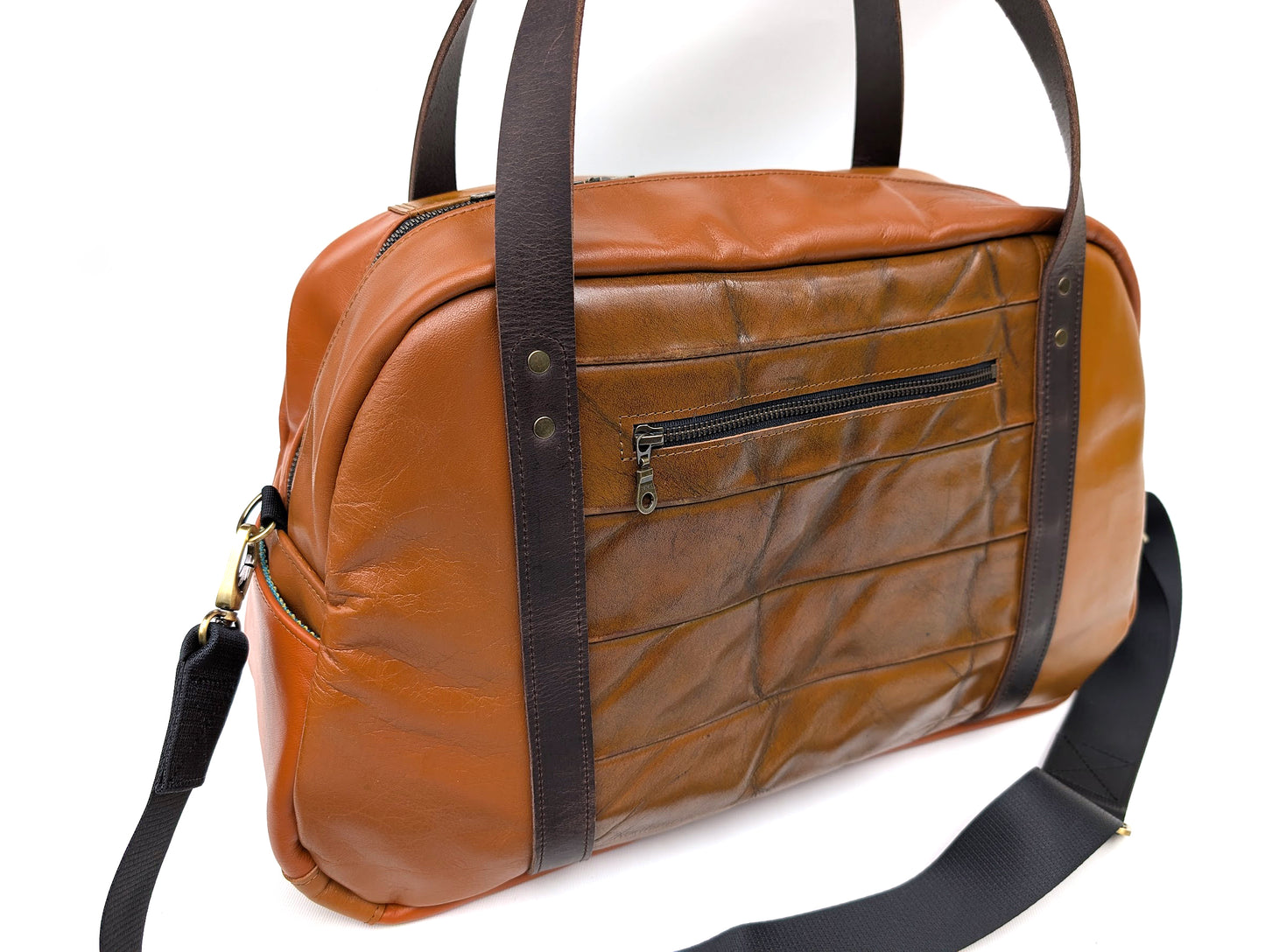
* Zippered exterior pocket
* Adjustable and detachable strap
* Hand polished zippers
* Size: 22 inch / 7 / 13
* Height drop: 5 inch
* Detachable strap length: 20 inch
Each ZEITWORKS bag is a unique creation, carrying the history and character of the car of the vehicle it once belonged to, making every design impossible to replicate.
Handmade in Canada
A Note on Brand Transparency: ZEITWORKS is an independent design company passionate about automotive history. We source and upcycle authentic vintage materials, but we are not affiliated with, authorized, maintained, sponsored, or endorsed by Dr. Ing. h.c. F. Porsche AG, Mercedes-Benz Group AG, Bayerische Motoren Werke AG (BMW), General Motors LLC (including Cadillac), or any other original automotive manufacturers. Our products are independent creations made to celebrate the legacy of these iconic designs.
Questions
What is this piece made from?
Every ZEITWORKS piece is made from the original interior of a specific vintage car, or from authorised reproductions of period factory textiles. Each piece is cut and assembled by hand in our studio in Snow Road Station, Ontario.
Is each piece unique?
Heritage pieces are one-of-one — built from the original interior of a single car. When that material is finished, no second piece exists. Signature pieces are made in small batches from authorised reproductions of factory textiles.
Can the piece be repaired or restored?
Yes. We have worked with leather and automotive textiles for nearly twenty years and can advise on care, repair, and restoration. Write to info@zeitworks.ca.
How does shipping and returns work?
Orders are processed within 72 hours and shipped from our Ontario studio. Returns are accepted within 72 hours of receipt, in original condition. Sale items and custom pieces are final sale.
The Car Behind This Bag
1957 · 3.2L V8 · Munich · 413 built · Coachwork by Albrecht von Goertz
In 1957, BMW was three years out of near-bankruptcy and trying to rebuild its identity around prestige rather than economy. The 503 — designed by Albrecht von Goertz, who also drew the legendary BMW 507 — was the company's grand-touring statement. Hand-formed aluminum body, V8 engine derived from the 502 "Baroque Angel," four seats trimmed in leather. Munich built just 413 over four years.
The car was a financial disaster. Each 503 cost more to build than BMW could charge for it. Priced higher than a Mercedes 300 SL and selling fewer than half what BMW had hoped, the program nearly took the company down a second time. By 1959 BMW was again on the brink — only saved when Herbert Quandt bought a controlling stake the following year.
Today the 503 is Pebble Beach territory. Survivors trade for six figures because so few exist and because the design, particularly in profile, is widely held to be among the most elegant German shapes of the postwar era.