


ZEITWORKS
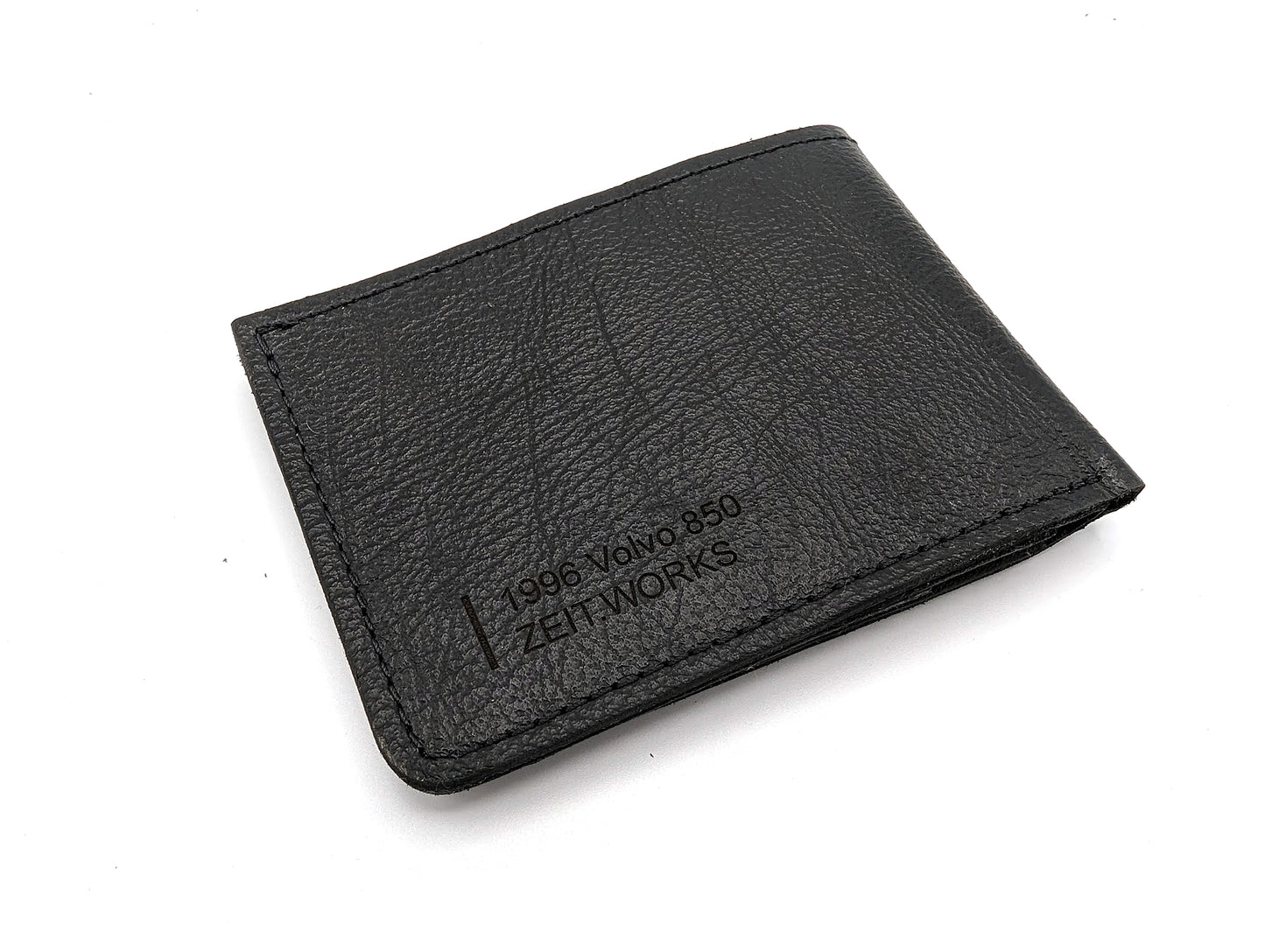
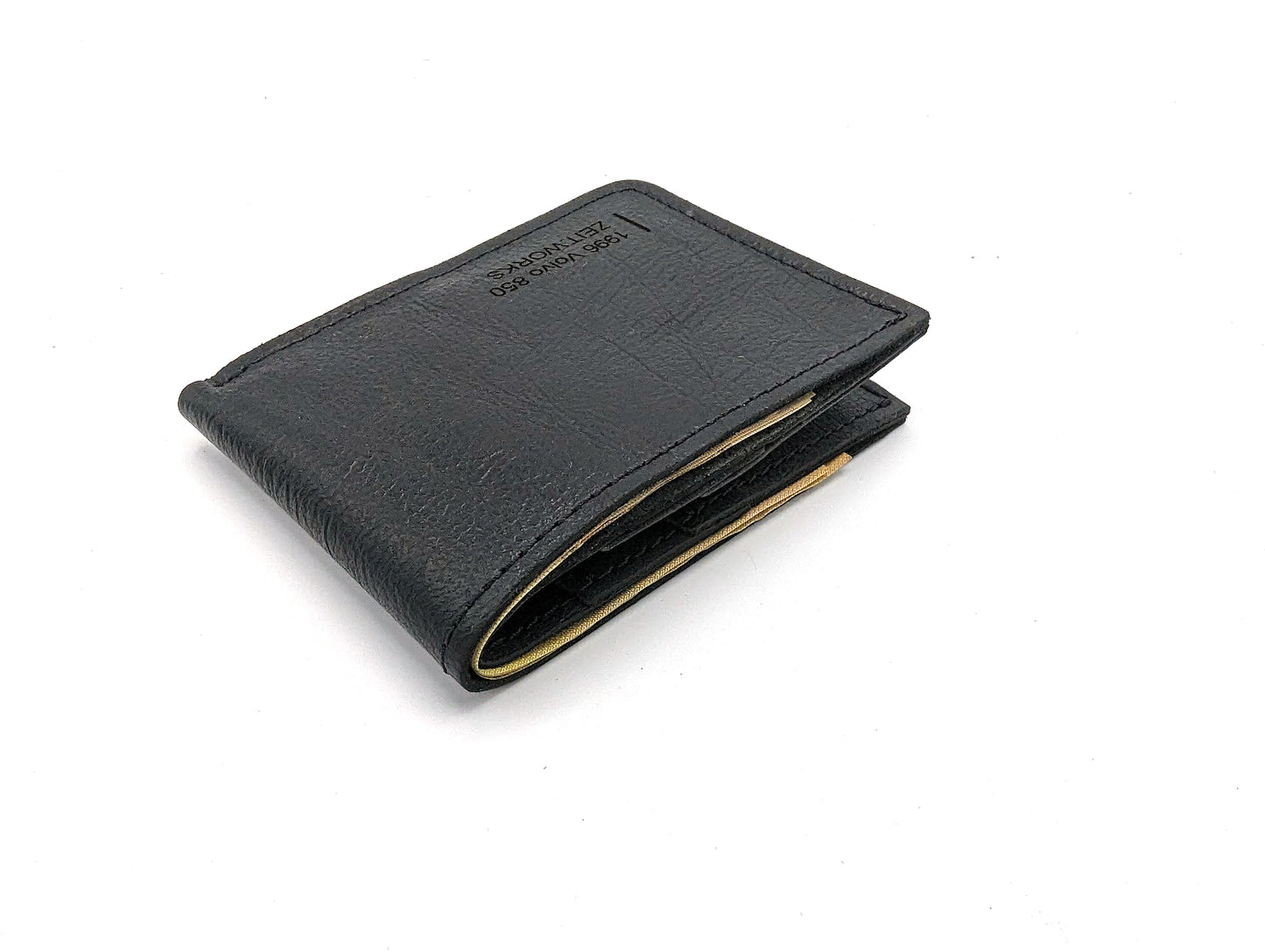
Billfold Wallet - 1996 Volvo 850
Billfold Wallet - 1996 Volvo 850
Couldn't load pickup availability
From a 1996 850 — the year after Volvo entered three wagons in the British Touring Car Championship and broke its sensible-car reputation forever.
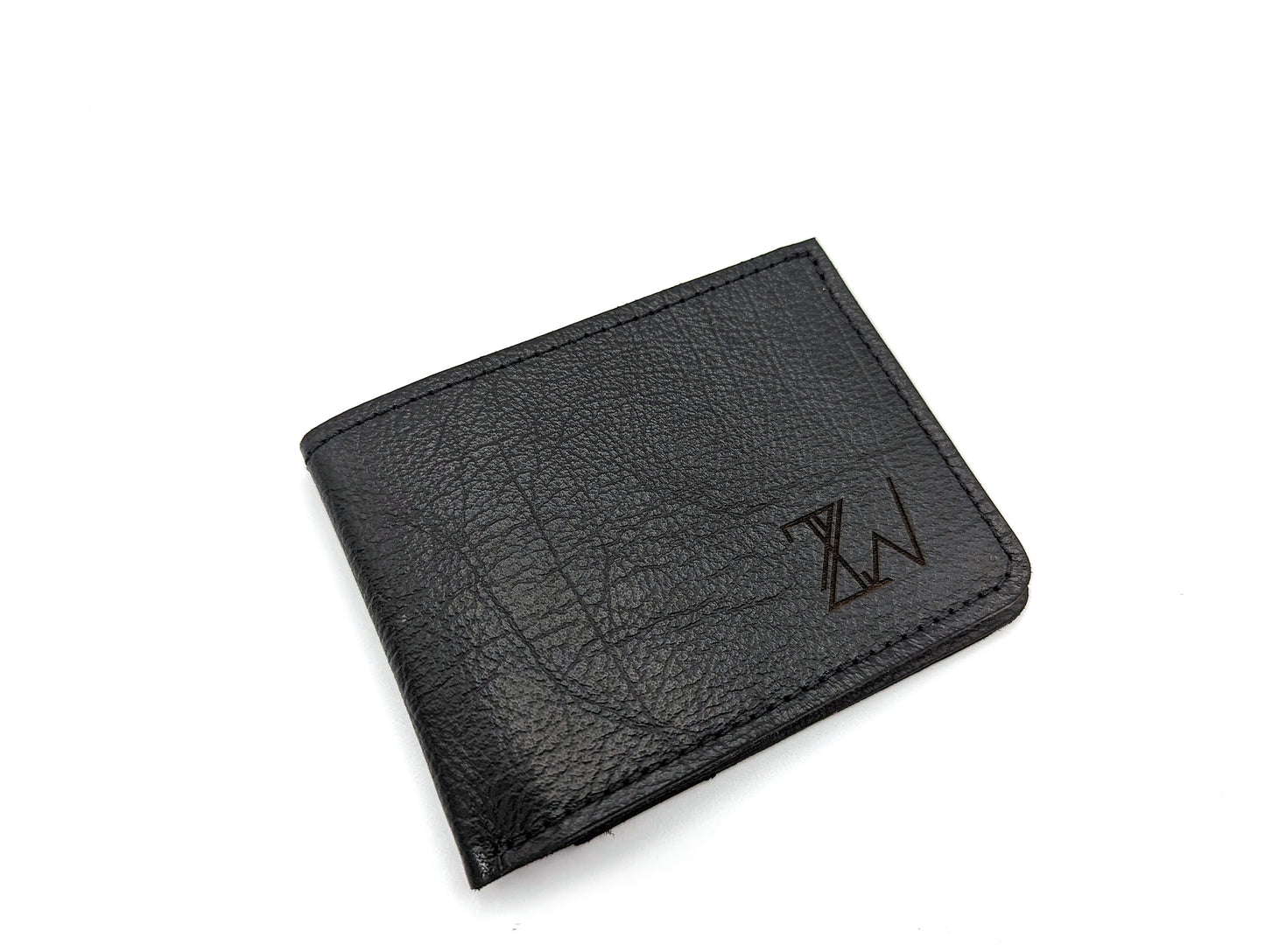
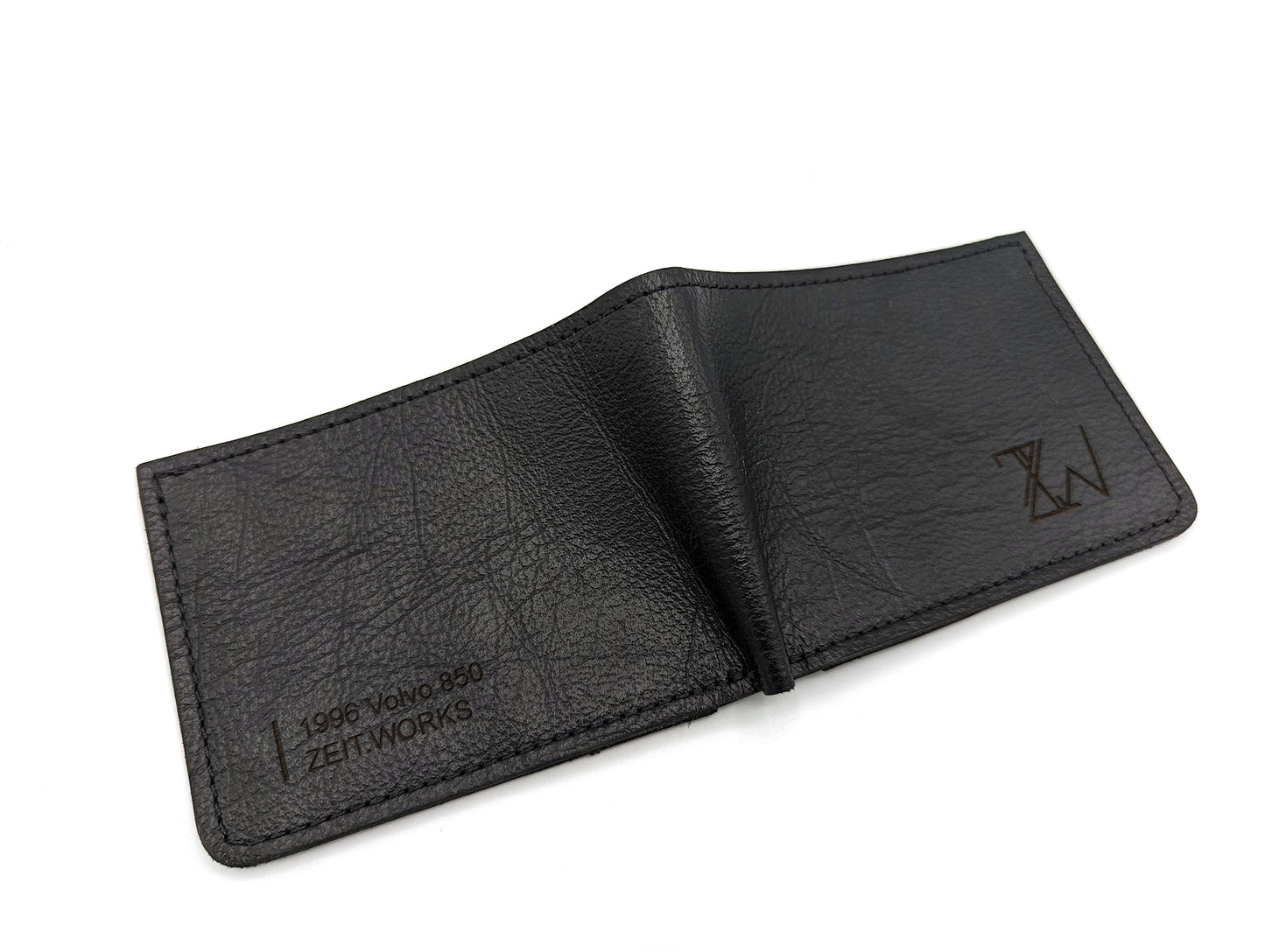
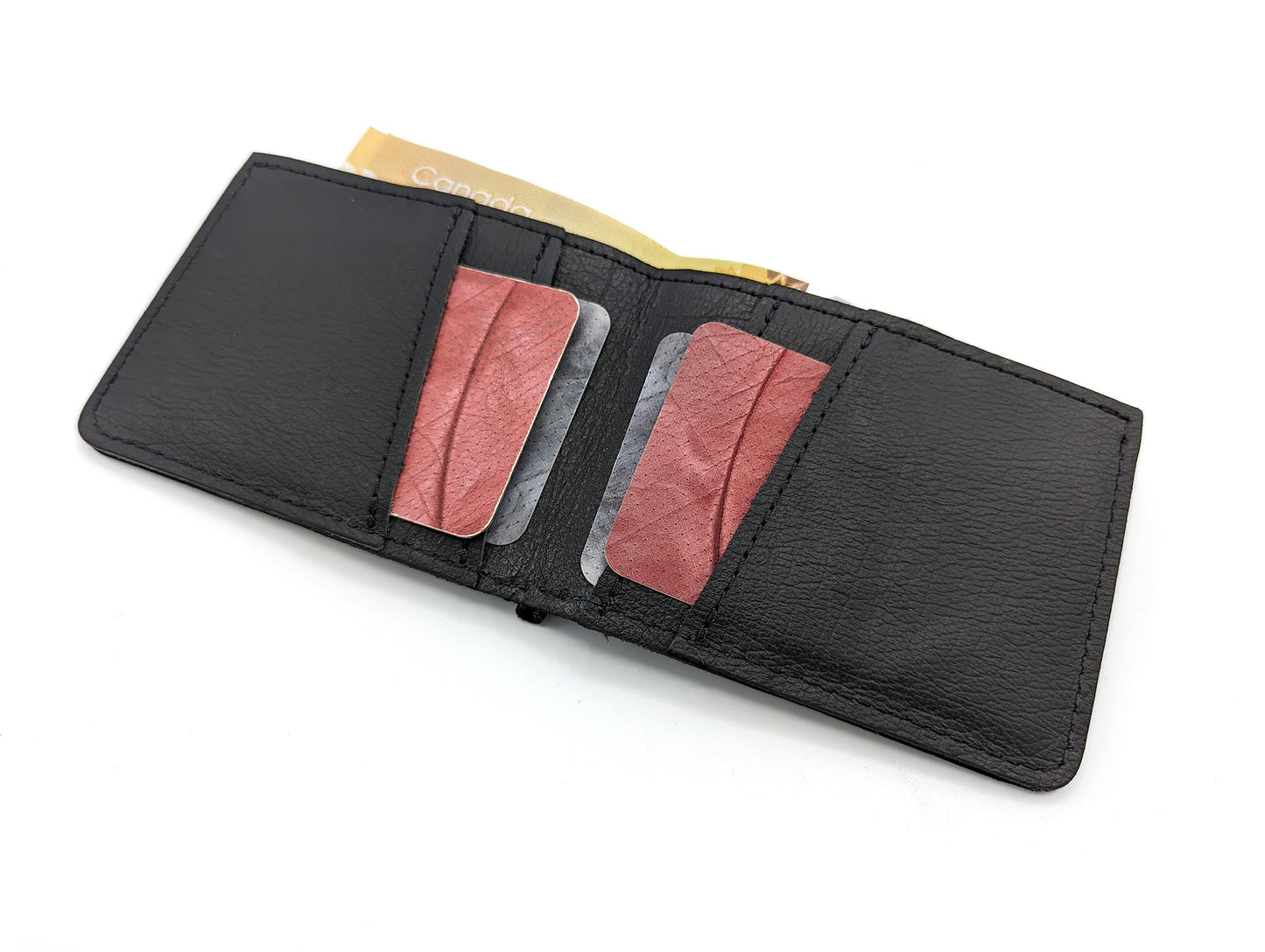
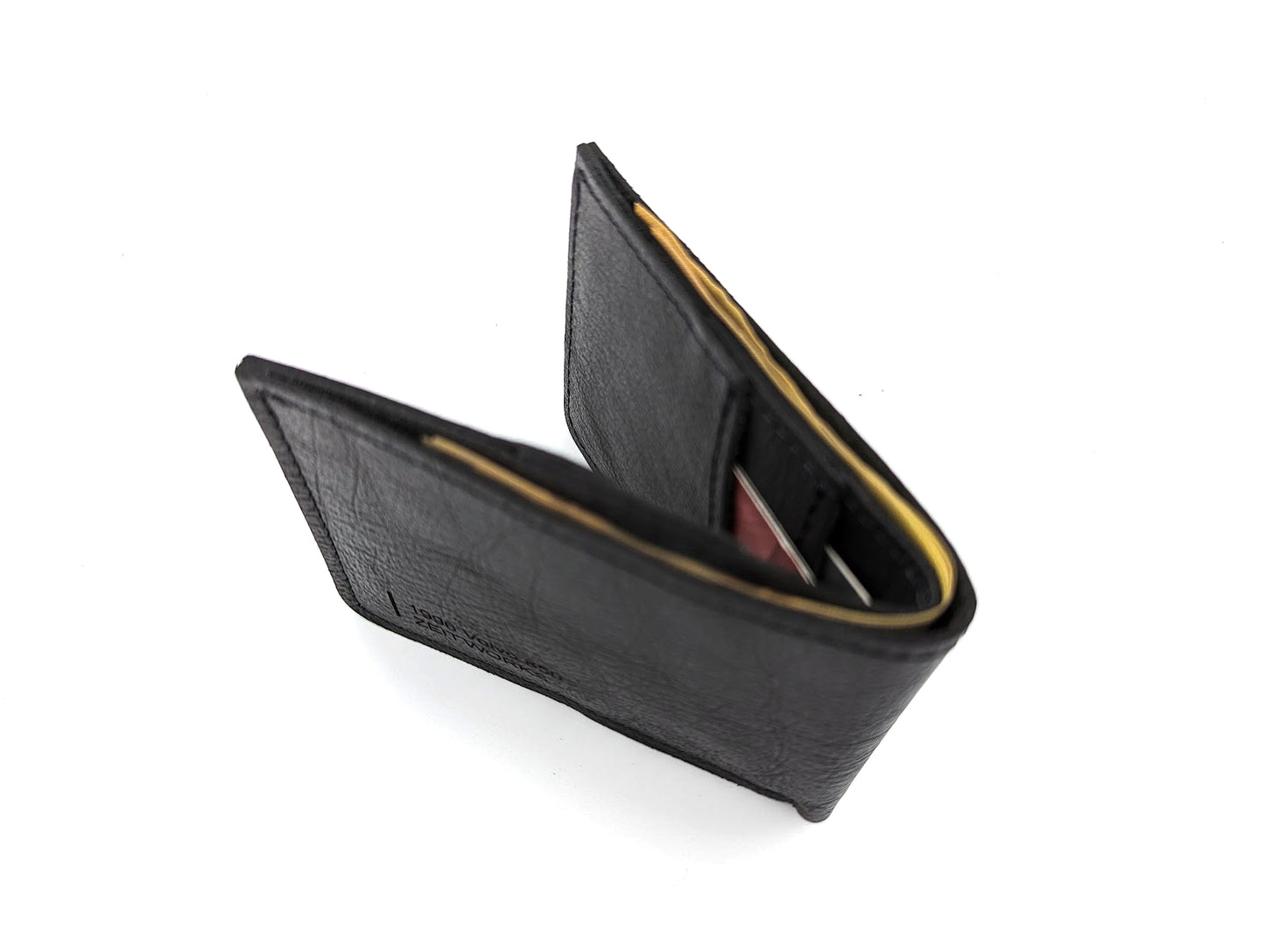
This is a unique Billfold wallet made from the original interior of a 1996 Volvo 850.
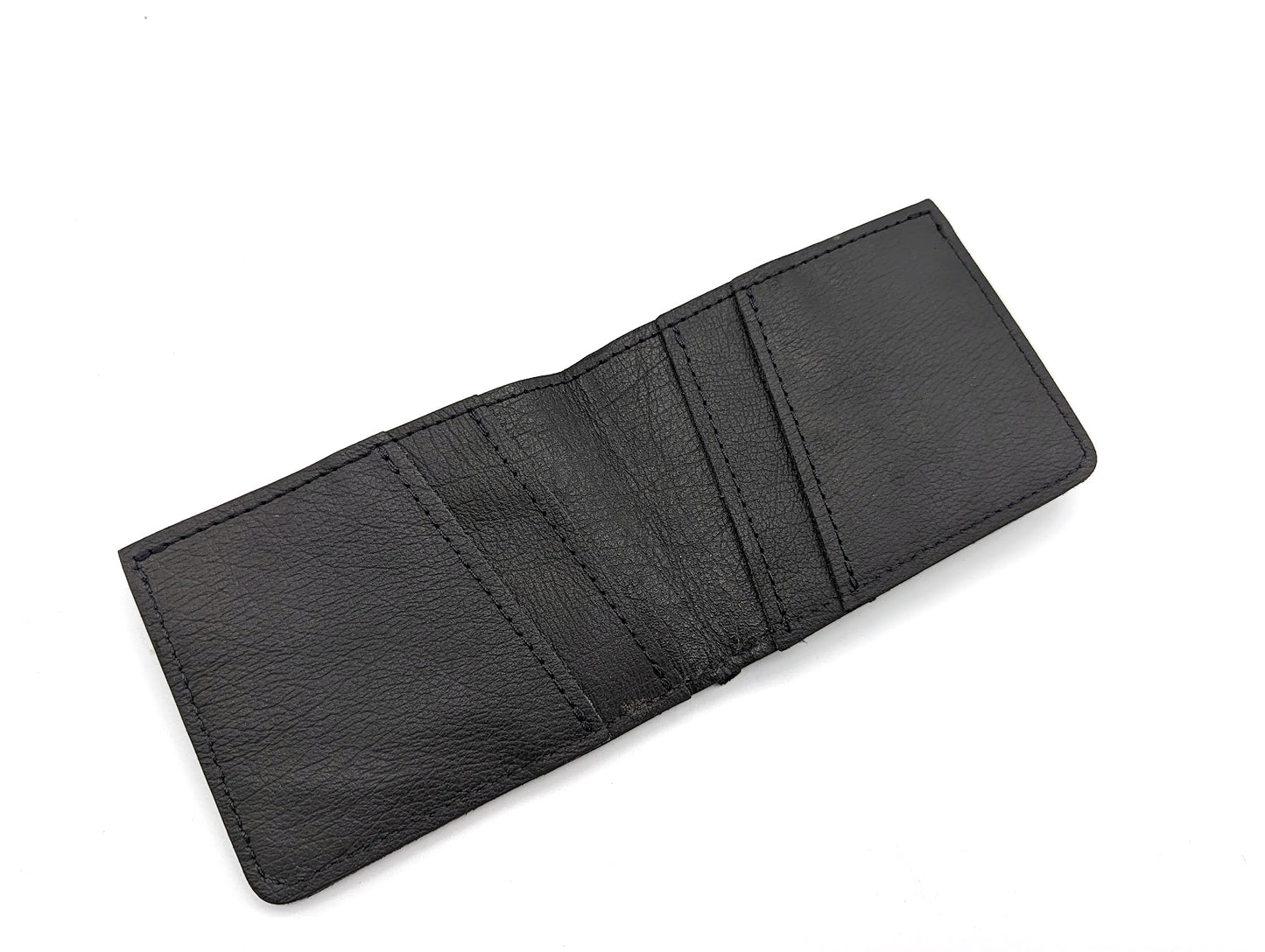
* Full-length bill compartments
* 4 credit card pockets with space for up to 20 cards
* Size: 11 cm x 8.5 (4 ½ inch x 3 ¼)
Each ZEITWORKS wallet is a unique creation, carrying the history and character of the car of the vehicle it once belonged to, making every design impossible to replicate.
Handmade in Canada - Enjoy the Ride!
A Note on Brand Transparency: ZEITWORKS is an independent design company passionate about automotive history. We source and upcycle authentic vintage materials, but we are not affiliated with, authorized, maintained, sponsored, or endorsed by Dr. Ing. h.c. F. Porsche AG, Mercedes-Benz Group AG, Bayerische Motoren Werke AG (BMW), General Motors LLC (including Cadillac), or any other original automotive manufacturers. Our products are independent creations made to celebrate the legacy of these iconic designs.
Questions
What is this piece made from?
Every ZEITWORKS piece is made from the original interior of a specific vintage car, or from authorised reproductions of period factory textiles. Each piece is cut and assembled by hand in our studio in Snow Road Station, Ontario.
Is each piece unique?
Heritage pieces are one-of-one — built from the original interior of a single car. When that material is finished, no second piece exists. Signature pieces are made in small batches from authorised reproductions of factory textiles.
Can the piece be repaired or restored?
Yes. We have worked with leather and automotive textiles for nearly twenty years and can advise on care, repair, and restoration. Write to info@zeitworks.ca.
How does shipping and returns work?
Orders are processed within 72 hours and shipped from our Ontario studio. Returns are accepted within 72 hours of receipt, in original condition. Sale items and custom pieces are final sale.
The Car Behind This Bag
1996 · 2.4L inline-five · Gothenburg · 850 chassis · the BTCC racing year
1996 was the model year just after Volvo's most public motorsport gamble paid off. In 1994 the Swedish factory had entered three 850 wagons — yes, station wagons — into the British Touring Car Championship, racing the estate body deliberately as a marketing exercise designed to break Volvo's reputation as a sensible, unexciting brand. The cars finished mid-pack, but the cultural impact was enormous: Volvo Motorsport sold the image of a wagon-on-three-wheels through every cornering shot and never looked back.
By 1996 the car had crossed the threshold into a kind of cult object. The T5 turbocharged five produced 222 horsepower in standard trim, and the T5R and 850R limited editions pushed it further. The X-Files had already put one on screen. Volvo's own advertising campaigns of the period traded on the contradiction — "a car you can actually drive" — that the BTCC racing programme had earned them. Architecture firms in Toronto, Stockholm, and Vancouver bought them in fleet quantities.
Volvo built the 850 through 1997 before splitting the platform into the S70 saloon and V70 wagon. The 1996 cars — produced toward the end of the run, with the small refinements of late-platform development — represent the model at its most resolved. The interiors, in Volvo's distinctive textured wool or full leather, remain the cabin reference point of mid-1990s Scandinavian design.